

Pulpotomy – Coppell, TX
Stop Your Child’s Tooth Pain
It’s an unfortunate fact that any child who is old enough to have teeth is also old enough to suffer from a tooth infection. This can lead to a very painful toothache that won’t go away, and it can put your little one at risk for further oral health issues. In many cases, Dr. Steele can relieve your child’s discomfort and protect their smile with a procedure known as a pulpotomy, also referred to as a “baby root canal.” Reach out to our practice right away if you think your child might need this tooth-saving procedure.
Why Choose Linda A. Steele, DDS for Pulpotomy?
- Same-Day Emergency Pediatric Dental Appointments
- Safe Dental Sedation Options for Children
- Experienced, Caring Pediatric Dentist
Does Your Child Need a Pulpotomy?

A pulpotomy is a procedure where the innermost part of the tooth – namely the collection of nerves, blood vessels, and tissues known as the pulp – is partially removed. This is often necessary if your child has a cavity that has spread to the point of reaching the pulp, resulting in an infection.
Your child might require a pulpotomy if:
- They have a tooth that is causing persistent or sharp pain.
- They have a tooth that is sensitive to hot or cold foods.
- They have gums that are swollen around the infected tooth.
- They have a noticeable bump on their gums near the tooth.
Please let our team know right away if your child is experiencing any of these symptoms; it’s important to act as quickly as possible if you want to have the best chance of saving the tooth in question.
The Process of Getting a Pulpotomy

First, we’ll need to examine your child’s tooth closely and learn more about their situation. If a pulpotomy is deemed necessary, we’ll begin the procedure by numbing your little one’s mouth with a local anesthetic. Then we’ll create an opening in the tooth so that we can access the pulp.
The infected or damaged part of the pulp will be taken out. Then the tooth will be thoroughly cleaned before it is resealed. Your child might need to have a dental crown placed so that the treated tooth can continue to function normally.
The Benefits of Getting a Pulpotomy

Not only does a pulpotomy put a stop to your child’s pain, but it also gets rid of the infection in the tooth before it can spread to other parts of the mouth. On top of that, it will let your little one keep their natural tooth, which is essential for ensuring that the rest of their smile stays properly aligned.
While baby teeth are meant to come out eventually, it’s still worth saving them with a pulpotomy. This is because the baby teeth perform an important role in maintaining the necessary space for permanent teeth. If they fall out prematurely, the permanent teeth might come in wrong. Thus, it’s best to help your child keep their baby teeth until they’re ready to fall out on their own.
Understanding the Cost of a Pulpotomy

We understand that while your child’s oral health is your top priority, you might also be concerned about affording their treatment. Have no fear – Dr. Steele and your pediatric dental team are here! Whether you have questions about dental insurance, CareCredit, or what you can expect in general, we’ll be ready to help you understand the cost of a pulpotomy.
Factors That Can Affect Pulpotomy Costs

A couple of different factors can affect the cost of your child’s pulpotomy. Since no two treatments (or smiles) are the same, it’ll be difficult for us to name an exact price until we’ve looked at your child’s tooth more thoroughly. That said, here’s an idea of the types of things we’ll consider:
- Location. Back teeth are more complex than pearly whites that are front-and-center, so treating them with a pulpotomy tends to be a bit pricier.
- Complexity. Rest assured, we can perform the vast majority of pulpotomy treatments right here in our office. In rare, complex cases, though, we might have to refer you to a specialist.
- If your child needs to cap their treated tooth with a crown, that restoration will have its own separate costs.
Is it Cheaper to Extract a Baby Tooth?

In terms of upfront costs, yes. However, there are good reasons to keep baby teeth intact whenever possible. For one thing, they literally help pave the way for incoming adult teeth. Removing a baby pearly white prematurely could negatively impact the alignment of your child’s permanent chomper. For another thing, baby teeth help your child practice enunciation and effective chewing, making them crucial for your little one’s development.
Will Dental Insurance Cover a Pulpotomy?

Most of the time, dental insurance will cover about half of the costs of a pulpotomy. The specific amount of coverage will ultimately depend on your plan, your deductible, and your annual maximum. If you’d like help understanding your dental insurance benefits, don’t hesitate to reach out to our team. As an insurance-friendly practice, we deal with dental insurance every day, and know how to maximize coverage!
Other Options for Making a Pulpotomy Treatment Affordable
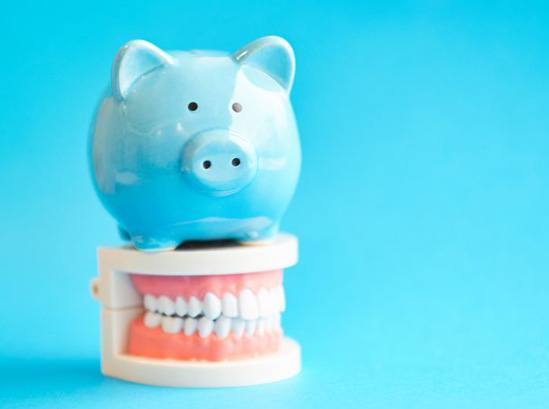
If you don’t have dental insurance coverage, you might be more interested in our membership plan or CareCredit financing. We’d be happy to talk about these options with you in more detail, but in the meantime, here’s an overview of how they can make a pulpotomy treatment more affordable:
- Membership plan. In exchange for an annual fee, you’ll receive discounts on our various services – sort of like dental insurance, but without deductibles or annual maximums.
- CareCredit financing. This third-party financier has several monthly payment plans available at little-to-no interest. Basically, you’ll be able to pay at your own pace.
Pulpotomy FAQs
How Long Does It Take to Recover from a Pulpotomy?
Recovery from a pulpotomy is usually quick for most children. Following the procedure, your child may experience mild tenderness or sensitivity in the treated area, which generally subsides within a few days. It is important to monitor your child for any signs of discomfort or unusual swelling and provide gentle care during this period. Over-the-counter pain relievers that are appropriate for children can be given if recommended by our team.
Most children are able to return to their normal activities shortly after the appointment. Soft foods are often suggested for the first few days to prevent irritation. If your child continues to experience pain or exhibits unusual symptoms, contact us for further guidance. Timely attention will support a smooth and comfortable recovery process.
Can My Child Eat Before a Pulpotomy?
It is generally advisable for your child to have a light meal before the pulpotomy appointment, unless you are instructed otherwise by our dental team. A small meal can help prevent hunger and make your child feel more comfortable during the procedure. Avoid giving your child any sticky, sugary, or hard foods just before the appointment.
If sedation or anesthesia will be used, we may provide special dietary guidelines, including when to stop eating or drinking before the procedure. Following these instructions is very important for your child's safety. If you have questions about pre-procedure eating, reach out to our office in advance so we can provide personalized support and guidance.
What Should I Do to Help My Child Prepare for a Pulpotomy?
Preparation for a pulpotomy involves both practical steps and emotional support. Talk with your child about the visit in a calm and positive manner, explaining that our team will help make their tooth feel better. Bring a favorite toy or comfort item to the appointment to provide reassurance and distraction.
Follow any other instructions provided by our team, which might involve adjusting meals or medications prior to the procedure. Make sure your child brushes their teeth thoroughly before the visit to create a clean environment for the pulpotomy. Arriving a few minutes early can give your child time to settle in and reduce anxiety.
How Long Will My Child’s Pulpotomy Last?
A pulpotomy is designed to preserve your child’s baby tooth until it is ready to fall out naturally. In many cases, the treated tooth remains healthy and functional for several years. The longevity of the pulpotomy depends on factors such as your child’s oral hygiene, diet, and whether they attend regular dental checkups.
Maintaining a good routine of oral care will help support the success of the pulpotomy. If the tooth or restorative material becomes damaged or shows signs of infection, you may need to bring your child in for additional treatment.
What Happens if I Wait Too Long to Get a Pulpotomy for My Child?
Delaying a pulpotomy can lead to worsening of the tooth infection or decay. When the dental pulp remains exposed or untreated, bacteria may spread deeper into the tooth and surrounding tissues. This can cause increased pain, swelling, and even the development of dental abscesses, which may require more extensive treatment.
Your child might end up needing a pulpectomy (which is more extensive than a pulpotomy) or even a tooth extraction. These procedures may lead to greater expenses and a more complex overall oral health journey for your child.